
A successful social media strategy in 2026 is built for recommendation feeds and social search. Brands need to prioritise retention-first video, searchable content, and meaningful engagement signals like watch time, saves and shares over likes.
A 2026 social media strategy should be built for recommendation feeds and social search. Brands need to create retention-first short-form video, publish searchable “how-to” content, and prioritise engagement signals like watch time, saves and shares over likes. Platforms like Instagram increasingly favour suggested content driven by engagement, while LinkedIn continues to prioritise relevance and meaningful interactions over recency.
Key Takeaways
- Social platforms are becoming search engines, especially for younger audiences
- Organic reach is driven by recommendation systems, not followers
- Watch time, saves and shares now outperform likes as core metrics
- LinkedIn prioritises relevance, value and meaningful engagement
- Authentic, unpolished content is outperforming overly produced ads in 2026
The 2026 shift: social is now search + recommendations
2026 rule: Create content that answers questions and earns recommendations.
Social platforms are no longer just for distribution. They are now discovery engines.
According to Sprout Social research, 41% of Gen Z turn to social platforms first when looking for information, ahead of traditional search engines. Sprout also notes that consumers increasingly use social search to discover products, vet vendors and explore user experiences.
What “social search” means for brands
Your content needs to mirror how people search:
- Use keyword-led captions
- Start with clear, searchable titles
- Answer questions within the first few seconds
For example: “How much does social media management cost in Australia?” will outperform a generic brand post.
Why followers matter less than relevance + retention
Insights from How Instagram’s algorithm works in 2026 show that content is primarily distributed based on engagement signals, not follower count.
This means a smaller brand can outperform a larger one with the right content structure.
Search intent + retention = reach.
Change #1 — Optimise content for watch time, saves and shares
2026 rule: Optimise for attention, not vanity metrics.
Likes no longer drive distribution. Retention does.
What to track instead
- Watch time and completion rate
- Saves and shares
- Meaningful comments
Hootsuite reports that saves and shares are among the strongest indicators of content quality in Instagram’s ranking system.
Simple retention tactics
- Hook viewers in the first 2 seconds
- Use clear structure: hook → value → takeaway
- Keep pacing tight
- Add captions for accessibility
If people stay, the algorithm pays attention.
Change #2 — Build content as “answers,” not ads
2026 rule: Answer real questions your audience is already asking.
The best content does not feel like marketing. It feels useful.
3 formats that win in social search
- How-to guides
- Comparisons
- Checklists
Examples that consistently perform
- “How much does X cost?”
- “X vs Y: what’s better?”
- “3 mistakes businesses make”
This aligns with how 3 Phase Marketing structures content around real buyer questions to reduce friction and improve conversion outcomes.
If your content does not answer a question, it is likely to be ignored.
Change #3 — Your brand needs a repeatable series, not random posts
2026 rule: Consistency and structure outperform one-off creativity.
Random posting leads to inconsistent results. Series build recognition and momentum.
Content system that scales
- 3 to 5 content pillars
- Weekly repeatable series
- Monthly campaign themes
One idea → multiple assets
Turn one topic into:
- 1 long-form video
- 3 short-form clips
- 2 LinkedIn posts
- 2 carousels
- 1 blog article
- 1 email
This is how high-performing brands scale a Social Media Strategy without increasing workload.
Create systems, not content.
Change #4 — LinkedIn rewards relevance and meaningful engagement
2026 rule: Value beats visibility.
LinkedIn is prioritising relevance over recency.
A recent update covered in LinkedIn feed relevance vs recency update shows that content is ranked based on usefulness and engagement depth.
What drives performance
- Dwell time
- Quality comments
- Relevance to your network
What to post
- Strong opinions
- Frameworks
- Mini case studies
- Carousel breakdowns
If it is not worth reading, it will not be seen.
Change #5 — Community signals beat broadcasting
2026 rule: Conversations drive reach.
Platforms reward interaction, not passive consumption.
How to create engagement
- Ask direct questions
- Invite opinions
- Use “take a side” prompts
Build micro-communities
Features like Instagram’s Your Algorithm control feature highlight the shift towards personalised feeds and user-controlled discovery.
Engagement depth > audience size.
Change #6 — Short-form video remains the primary growth driver
2026 rule: Prioritise short-form video across all platforms.
Reels, TikTok and Shorts continue to dominate discovery.
Why it works:
- High retention potential
- Easy to repurpose
- Favoured by algorithms
What to post:
- Educational snippets
- Behind-the-scenes
- Quick insights
Change #7 — Authentic content outperforms polished ads
2026 rule: Real beats perfect.
Users trust content that feels human.
Overproduced content often underperforms because it feels like advertising.
What works instead:
- Founder-led content
- Talking-to-camera videos
- Raw, unfiltered insights
Change #8 — First-party data is becoming a competitive advantage
2026 rule: Own your audience, don’t rely on platforms.
With increasing privacy changes, brands need to build owned data.
Focus areas:
- Email lists
- CRM integration
- Lead magnets
This aligns with 3PM’s approach to building a Social Media Strategy that integrates social with broader funnel strategies.
Change #9 — Speed of testing is your biggest advantage
2026 rule: Test fast, scale faster.
Winning brands are not guessing. They are testing constantly.
What to test:
- Hooks
- Formats
- Topics
- CTAs
The faster you test, the faster you learn.
Platform cheat sheet
Platform | What it rewards | What to post |
Watch time, saves, shares | Reels, tips, educational content | |
TikTok | Retention, trend alignment | How-to videos, storytelling |
YouTube Shorts | Completion rate, consistency | Repurposed content, tutorials |
Dwell time, relevance, comments | POVs, frameworks, case studies |
A simple 90-day Social Media Strategy plan for brands
2026 rule: Start simple, then scale what works in your Social Media Strategy.
Week 1–2: Audit + pillar selection
- Review current content performance
- Identify top-performing themes
- Define 3 to 5 pillars
Weeks 3–6: Test content series
- Launch 2 to 3 repeatable formats
- Test hooks and messaging
- Track retention and engagement
Weeks 7–12: Double down + optimise
- Scale top-performing content
- Refine based on data
- Build reporting dashboards
Checklist: Your 2026 social media strategy
- Define 3 to 5 content pillars
- Build repeatable content series
- Optimise for keywords and search
- Focus on retention metrics
- Create answer-based content
- Engage in comments and DMs
- Repurpose across platforms
- Track saves, shares and watch time
- Continuously test and refine
Why brands choose 3 Phase Marketing
Brands work with 3 Phase Marketing because the focus stays on outcomes.
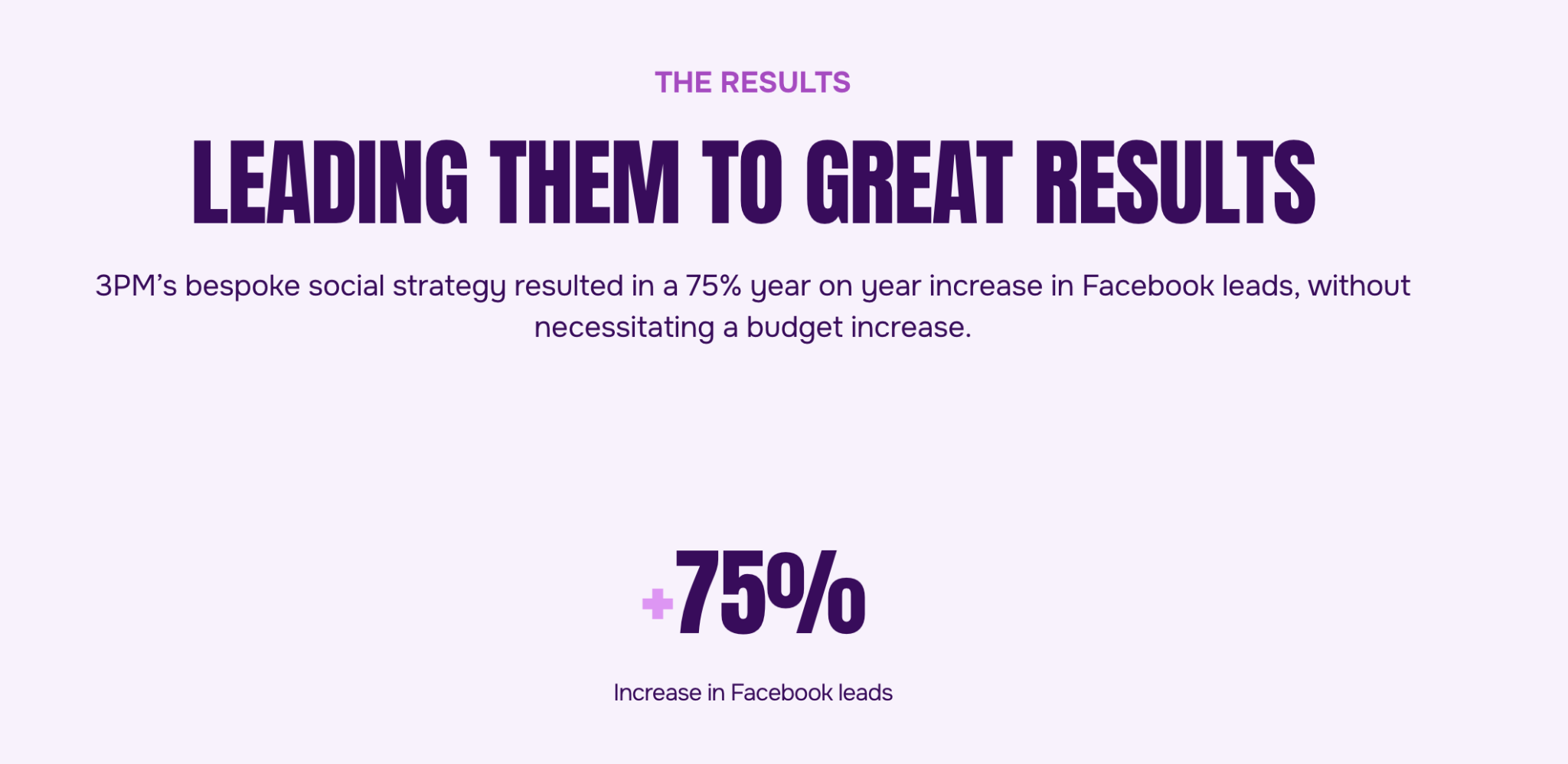
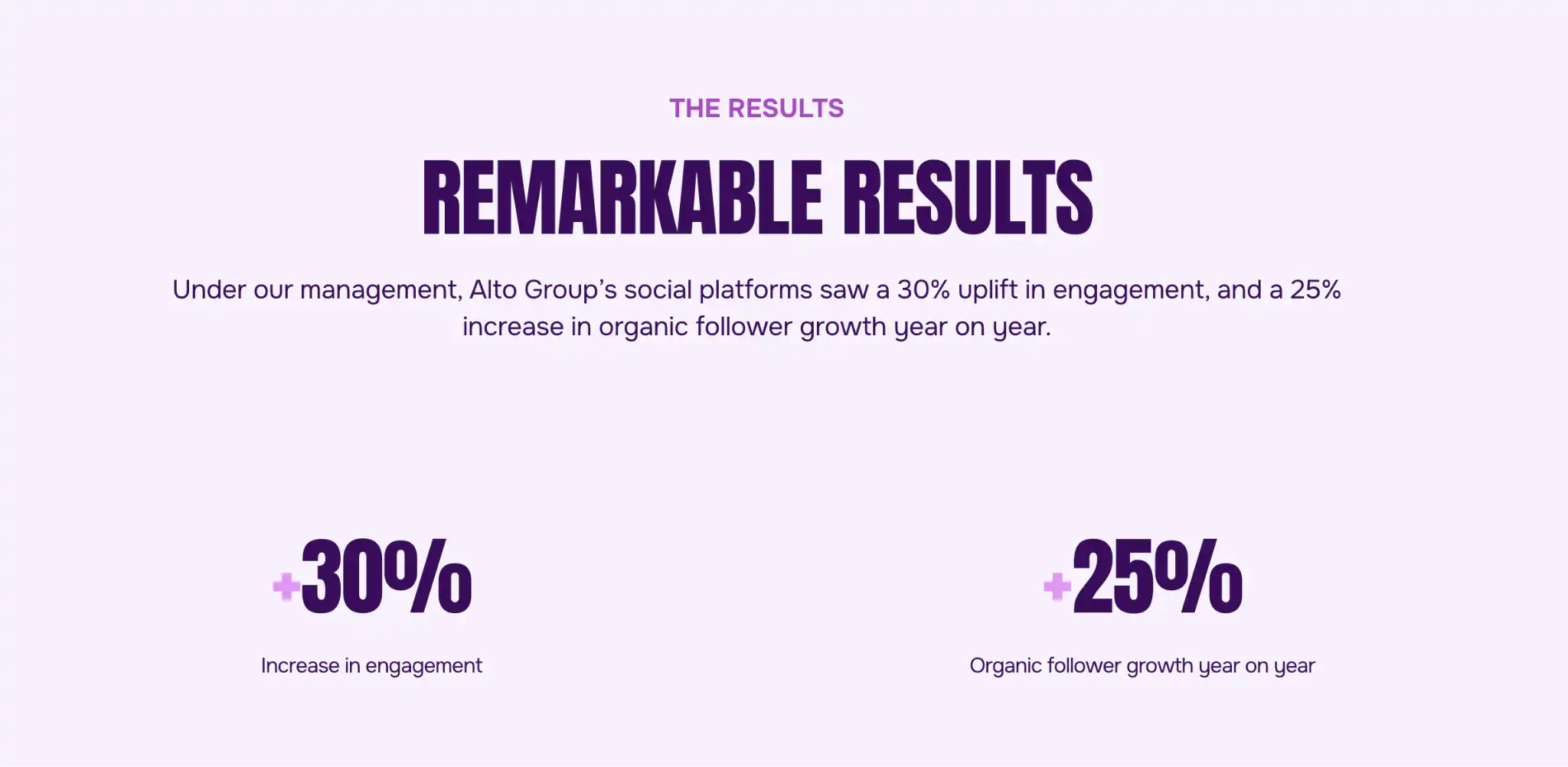
From increasing Facebook leads by 75% year on year without increasing budget, to lifting engagement by 30% across automotive brands, 3PM builds strategies designed to improve performance where it matters most: visibility, lead generation and growth.
With a clear process of audit → pillar development → testing → reporting, the team helps brands build a Social Media Strategy that moves from inconsistent posting to measurable results.
FAQs
What is the best social media strategy in 2026?
One focused on search visibility, retention and meaningful engagement rather than follower growth.
Which platform is best for business in 2026?
It depends on your audience. Instagram and TikTok drive discovery, while LinkedIn is best for B2B.
Do hashtags still matter in 2026?
They help, but keywords and captions are more important for discoverability.
What metrics matter most now?
Watch time, saves, shares and engagement depth.
How often should a business post?
3 to 4 times per week, focusing on quality over volume.
Is TikTok SEO real?
Yes. Content is indexed based on keywords, engagement and watch behaviour.
What should small businesses focus on first?
Clear content pillars, simple formats and answering customer questions.
Ready to turn your social media into a growth channel?
If your current social media strategy is not generating leads, it is time to rethink your approach.
At 3 Phase Marketing, we build data-driven strategies that connect content to real business outcomes.
Book your Social Media Strategy Audit today and get a clear, actionable 90-day plan tailored to your business.